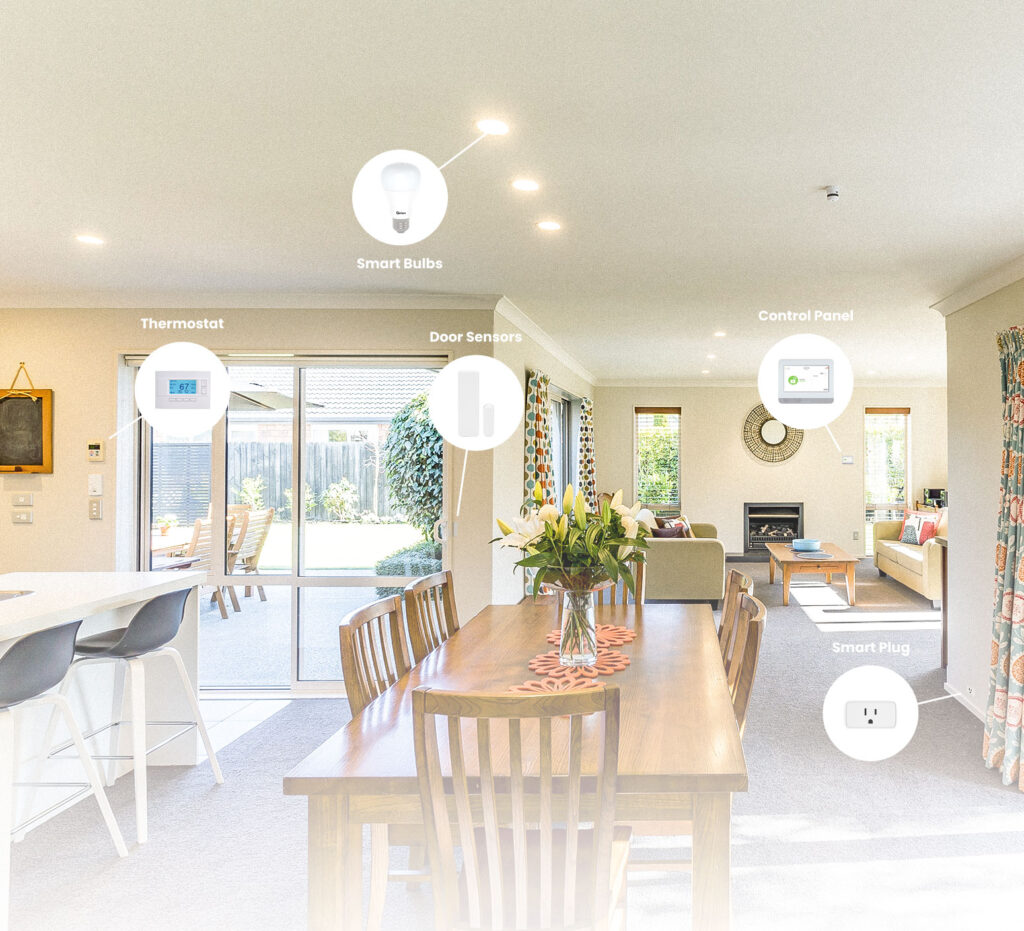
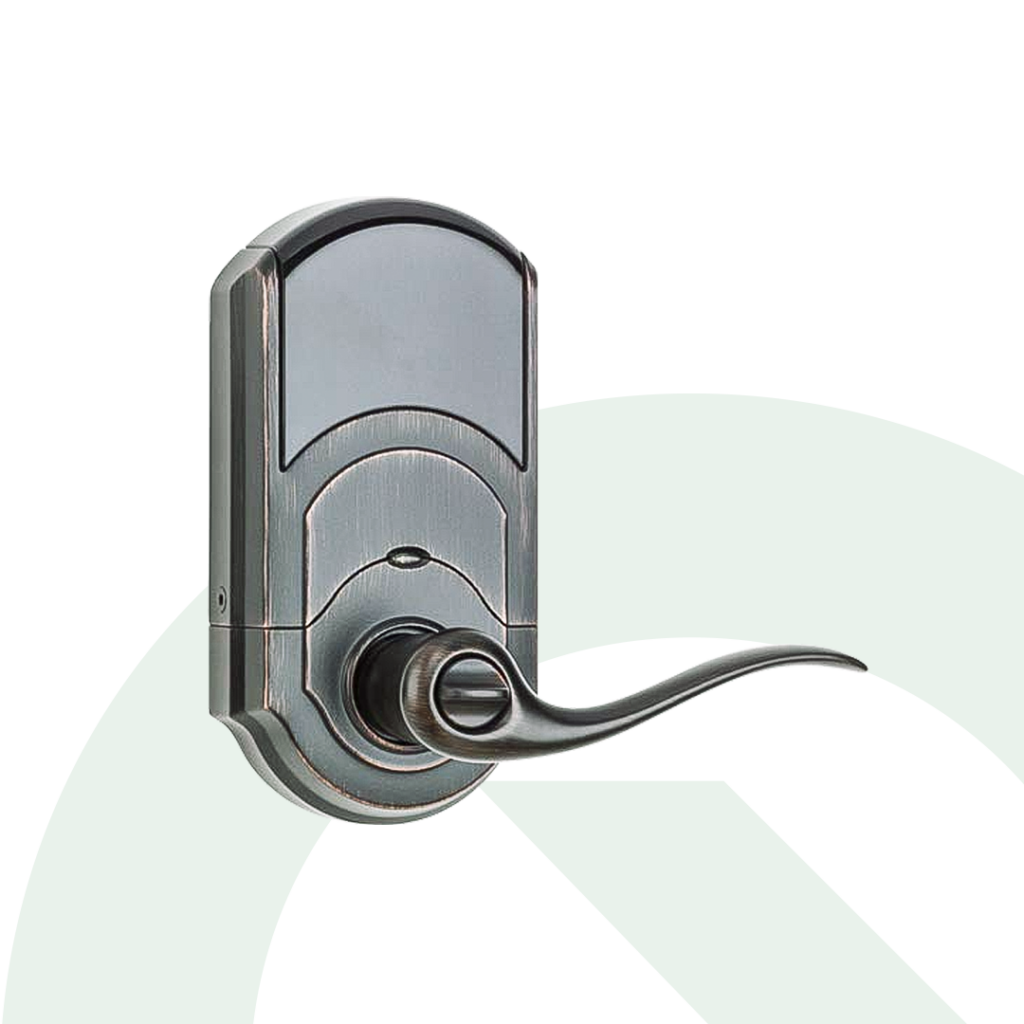
Low Power Consumption: Z-Wave devices are designed to be energy-efficient, making them ideal for battery-powered applications.
Mesh Networking: Devices can relay signals to each other, extending the range of the network and ensuring robust communication.
Interoperability: Z-Wave is a standardized protocol, meaning devices from different manufacturers can work together seamlessly as long as they are Z-Wave certified.
Security: Z-Wave includes strong security measures, including encryption, to protect the data and control commands sent between devices.
Frequency: Z-Wave operates on a different frequency (around 900 MHz) compared to Wi-Fi or Bluetooth, which helps in reducing interference with these common wireless signals.